
Hemp-based sustainable tourism in Denver combines eco-conscious travel experiences with the educational, wellness, and recreational opportunities emerging from Colorado’s legal hemp industry. This niche tourism model invites travelers to visit Exhale and similar venues that integrate hemp-derived products, farm tours, and sustainability practices into their offerings while reducing environmental impact through local sourcing, waste reduction, and community partnership.
Denver has positioned itself at the forefront of this movement since Colorado legalized hemp cultivation in 2014, creating a unique ecosystem where visitors can learn about regenerative agriculture, sample artisan hemp products, and participate in wellness experiences that support local growers and producers. The model works because hemp cultivation itself is inherently sustainable. The crop requires minimal water compared to traditional agriculture, naturally suppresses weeds without heavy pesticide use, and improves soil health through deep root systems that prevent erosion.
For sustainability-focused travelers and event planners, this represents more than novelty. Hemp-based tourism addresses the growing demand for authentic, place-based experiences that leave positive environmental and economic footprints. Visitors can tour working hemp farms in nearby Adams and Weld Counties, attend educational workshops on CBD wellness at Denver dispensaries and wellness centers, or book stays at eco-lodges that use hemp-based building materials and amenities.
The community impact extends beyond individual businesses. Denver’s hemp tourism sector has created partnerships between farmers, hospitality providers, and nonprofit sustainability advocates who collaborate on volunteer restoration projects and educational programming. These initiatives demonstrate how a single agricultural product can anchor an entire tourism ecosystem built on transparency, education, and environmental stewardship rather than extraction and passive consumption.
What Hemp-Based Sustainable Tourism Means for Denver
Hemp-based sustainable tourism in Denver represents a unique intersection where the city’s pioneering hemp industry meets responsible travel practices. It’s a tourism model that invites visitors to engage directly with Colorado’s hemp sector, through farm visits, processing facility tours, educational workshops, and product experiences, while prioritizing environmental stewardship, community support, and regenerative practices.
At its core, this approach transforms Denver’s hemp infrastructure into educational destinations that advance both visitor understanding and the city’s green economy goals. Rather than passive sightseeing, travelers participate in experiences that showcase sustainable agriculture, local supply chains, and the environmental benefits of hemp cultivation. These visits generate revenue for small-scale farmers, create opportunities for green vendors, and build public awareness about hemp’s role in sustainable agriculture.
Understanding the terminology helps clarify what makes this tourism sector distinct:
- Industrial Hemp
- Cannabis sativa plants containing 0.3% THC or less, cultivated for fiber, seed, and cannabinoid extraction. These crops improve soil health and require minimal water compared to conventional agriculture.
- Hemp-Derived Cannabis
- Products extracted from industrial hemp plants that contain cannabinoids like CBD but remain within legal THC limits. These offerings form the basis for many Denver wellness and culinary experiences.
- Sustainable Tourism
- Travel practices that minimize environmental impact, support local economies, and educate visitors about conservation. In Denver’s hemp context, this means zero-waste event protocols and partnerships with certified green businesses.
- Regenerative Agriculture
- Farming methods that actively restore soil health, sequester carbon, and increase biodiversity. Hemp’s deep root systems and nutrient cycling make it ideal for these practices.
Hemp versus cannabis in Colorado clarifies the legal distinction that allows industrial hemp operations to welcome tourists while maintaining full compliance. This regulatory clarity has enabled Denver to develop a tourism infrastructure that showcases both traditional hemp applications, textiles, building materials, biofuels, and the newer hemp-derived product sector that includes wellness formulations and culinary ingredients.
Both aspects contribute to Denver’s green economy by creating jobs in sustainable agriculture, supporting local processing facilities, and establishing the city as a center for hemp education and innovation.
How Hemp-Based Sustainable Tourism Works in Practice
The Visitor Experience Path
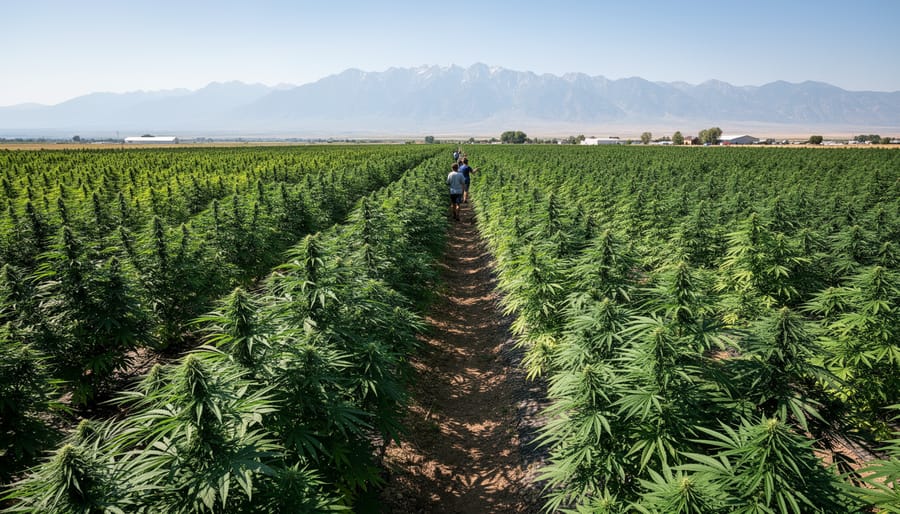
A typical hemp-based sustainable tourism experience in Denver starts with online research and booking through certified green platforms that verify operators’ environmental credentials. Most visitors begin their journey at a licensed hemp farm on the city’s outskirts, where guided tours showcase regenerative farming techniques like cover cropping and composting systems that restore soil health while growing hemp.
From the fields, the path leads to processing facilities where you’ll witness hemp transformation into oils, textiles, or building materials. These aren’t sterile factory tours, operators explain water reclamation systems, renewable energy use, and how they achieve zero-waste production goals. You’ll handle raw materials, smell the extraction process, and understand quality control through hands-on demonstrations.
Educational workshops form the experience’s core. Sessions cover hemp’s environmental benefits, sustainable cultivation methods, and product applications. Many venues offer tasting experiences for hemp-derived CBD products paired with locally sourced foods, or craft sessions where you create your own hemp-infused balms using organic ingredients.
Transportation between sites often utilizes Denver’s electric shuttle services or bicycle routes, reducing your carbon footprint. Venues provide reusable water bottles and compostable materials rather than single-use plastics. The experience concludes with resources about supporting local hemp farmers and opportunities to volunteer in Denver’s sustainable agriculture initiatives, turning your visit into ongoing community engagement.
Behind the Sustainability Standards
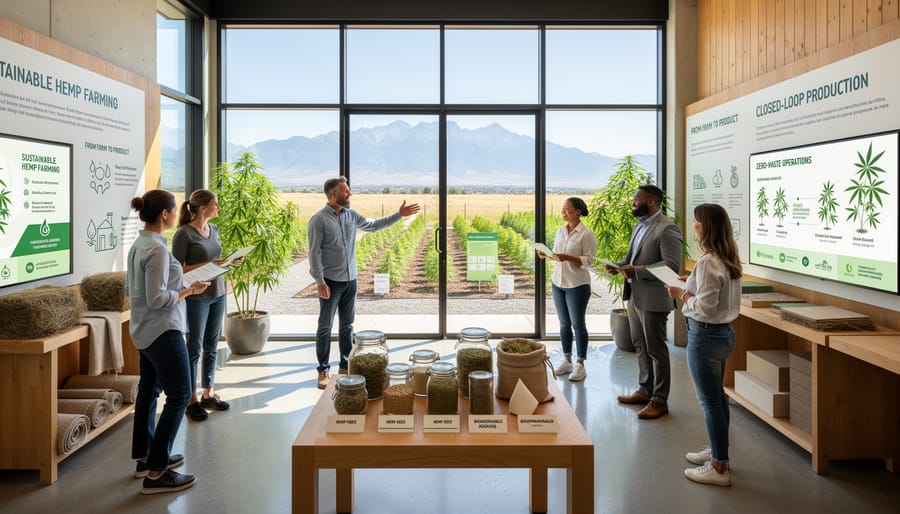
Venues in Denver’s hemp tourism sector earn their sustainability credentials through rigorous third-party verification processes. The Green Business Network Colorado certification requires facilities to meet standards across energy efficiency, waste reduction, water conservation, and sustainable purchasing. Operators document everything from LED lighting installations to compost diversion rates, submitting quarterly reports to maintain their status.
Zero-waste protocols start with comprehensive audits. Venues track waste streams for 30 days, then redesign operations to eliminate single-use items and maximize diversion. A hemp cultivation tour site might use compostable tasting cups from local bamboo suppliers, recycle all packaging materials, and send organic waste to Denver’s municipal composting facility. Many aim for 90% diversion rates, with detailed sorting stations and staff training programs.
Local sourcing extends beyond lip service. Certified venues maintain supplier lists showing Colorado origins for at least 75% of inputs. Hemp processors source seeds from Front Range farms within 50 miles, while cafes serving hemp-infused items buy produce from the Denver Food Rescue network. This creates measurable economic impact in the form of vendor contracts and farming revenue that stays in the state.
The standards demand transparency. Visitors can request carbon footprint reports, waste audits, and procurement records. This accountability separates genuine sustainable operations from those simply marketing green aesthetics without operational changes.
Components of Denver’s Hemp Tourism Ecosystem
Educational Farm Tours and Cultivation Experiences
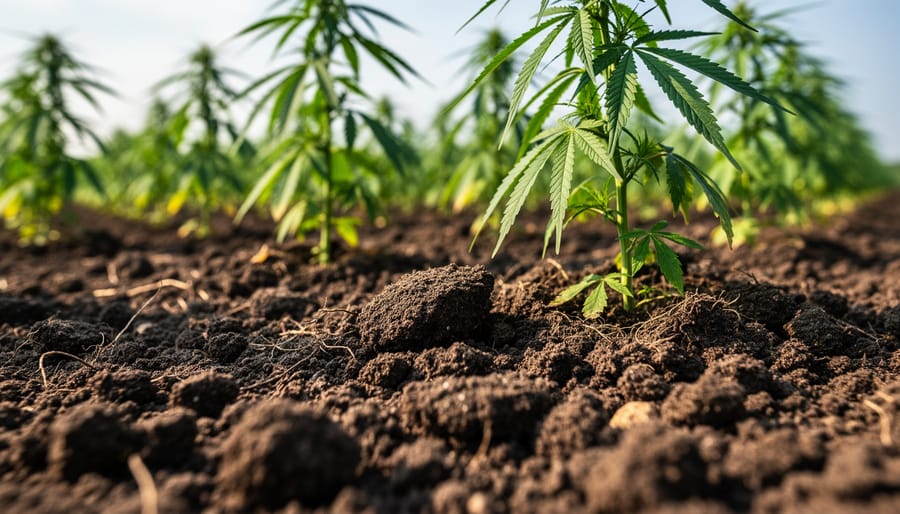
Denver’s hemp farms have opened their gates to visitors seeking firsthand understanding of regenerative agriculture in action. These educational tours take you through active cultivation sites where farmers explain their organic pest management techniques, demonstrate companion planting strategies that naturally enrich soil, and show how hemp’s deep root systems help prevent erosion while sequestering carbon. You’ll walk fields where cover crops rotate with hemp, learning how this practice restores nitrogen levels and breaks pest cycles without synthetic inputs.
Many tour operators connect their farm experiences with broader sustainable food systems, directing visitors to Denver farmers markets where they can find hemp-derived products alongside other local organic goods. Tours typically include soil testing demonstrations that reveal the living biology beneath your feet, composting systems that close the farm’s nutrient loop, and water conservation methods like drip irrigation designed for Colorado’s semi-arid climate.
Several farms offer hands-on workshops where you can participate in planting or harvesting, creating tangible connections to sustainable agriculture. These experiences transform abstract sustainability concepts into observable practices you can see, touch, and understand through direct engagement with working landscapes.
Production and Processing Facilities
Production facility tours offer travelers an insider’s view of how raw hemp transforms into finished products through environmentally responsible manufacturing. These behind-the-scenes experiences showcase extraction processes that use CO2 instead of harsh chemical solvents, closed-loop water systems that recycle every drop, and energy-efficient equipment powered by renewable sources. Visitors watch hemp biomass convert into oils, tinctures, and topicals while learning why these methods matter for environmental health.
Denver’s processing facilities have become educational destinations precisely because they operate transparently. Many installations feature observation windows overlooking production floors, interactive displays explaining sustainable extraction technology, and guided walkthroughs led by production managers who detail waste reduction protocols. These aren’t manufacturing tours with sustainability tacked on, they’re designed as learning experiences where environmental practices are the main story.
The most successful facilities integrate product sampling with technical education, letting visitors taste hemp-derived beverages or test skincare formulations while understanding the sustainable supply chains behind them. Several Denver processors partner with local sustainable businesses to demonstrate how hemp ingredients move through Colorado’s green economy, from certified organic farms to zero-waste packaging solutions, creating tourism experiences that connect environmental values with tangible products.
Culinary and Wellness Integrations
Denver’s culinary scene has embraced hemp-derived ingredients as both a sustainability statement and a flavor innovation. Farm-to-table restaurants now feature hemp seed oil in dressings, hemp hearts topping salads, and CBD-infused beverages alongside seasonal menus built around local produce in Denver. These establishments typically partner directly with Colorado hemp farmers, creating transparent supply chains that reduce transportation emissions while supporting regional agriculture.
Wellness centers have integrated hemp-derived CBD into massage oils, skincare treatments, and recovery therapies, marketing these services to health-conscious travelers. Many operate in LEED-certified buildings powered by 100% renewable electricity aligning their hemp wellness offerings with comprehensive environmental commitments. The combination reflects Denver’s renewable energy push across commercial sectors.
What distinguishes sustainable operators is third-party verification of their hemp sources, transparent labeling of cannabinoid content, and waste management systems that compost organic materials. Visitors can request documentation of farm partnerships and organic certifications to ensure their culinary or wellness experience genuinely supports Denver’s green economy rather than simply capitalizing on hemp’s market appeal.
Real-World Applications and Community Impact
Supporting Local Hemp Farmers and Green Vendors
Tourism dollars flowing into Denver’s hemp sector create direct income streams for farmers practicing regenerative agriculture. When visitors pay for farm tours, purchase hemp-derived products, or book experiences at facilities using local hemp, they’re funding small-scale growers who might otherwise struggle to compete with industrial operations. A $50 farm tour translates to seed purchases, soil amendments, and equipment that keeps sustainable farms viable.
The ripple extends beyond the fields. Green vendors, from sustainable packaging suppliers to organic restaurants sourcing hemp ingredients, gain reliable customers through tourism partnerships. A Denver café serving hemp-infused menu items sources from three local farms and buys compostable containers from a Colorado manufacturer. That café’s tourist traffic supports five local businesses in a single transaction.
This market connection matters because hemp farming faces commodity price pressures. Tourism provides premium pricing opportunities: visitors pay more for traced, locally grown hemp at an educational farm than they would for generic products elsewhere. That premium covers the higher costs of certified organic practices, soil testing, and integrated pest management.
The model also creates procurement relationships that outlast individual visits. Event planners discovering Denver’s hemp vendors through tourism experiences later source products for conferences elsewhere, expanding markets for local growers beyond Colorado’s borders.
Volunteer Stories: Building the Hemp Tourism Infrastructure
Maria Chen spent six months volunteering with Rocky Mountain Hemp Collective, helping transform a neglected urban lot into an educational demonstration garden. “I started knowing nothing about hemp cultivation,” she says. “Now I train visiting groups on crop rotation and soil regeneration.” Her work directly shaped the collective’s Saturday tour program, which attracted 2,400 visitors in its first year.
The Denver Hemp Education Network coordinates over forty volunteers who build curriculum materials, lead farm tours, and staff sustainable event spaces. Jake Morrison, a retired teacher, developed the organization’s “Seed to Product” workshop series after noticing gaps in visitor understanding. “People want to see the whole cycle,” he explains. His volunteer team now runs monthly workshops at three Denver hemp facilities.
These grassroots efforts create the infrastructure that makes hemp tourism accessible. Volunteers maintain demonstration plots, translate technical farming concepts into engaging narratives, and staff information booths at green festivals. Their collective impact extends beyond individual sites, they’re building Denver’s reputation as a destination where visitors gain genuine agricultural knowledge rather than superficial experiences.
Advancing Denver’s Sustainability Procurement Goals
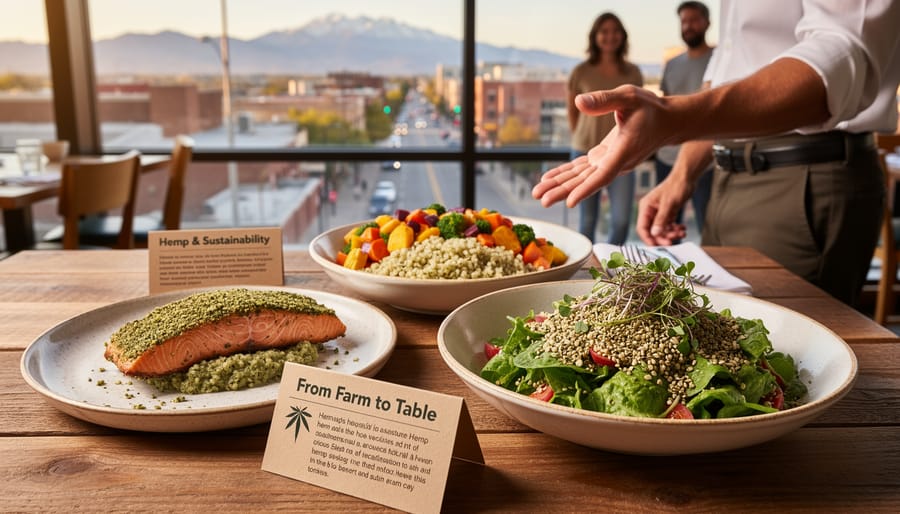
Denver’s municipal sustainability procurement program prioritizes vendors who demonstrate measurable environmental impact, and hemp-based tourism venues increasingly meet these standards. The city’s clean energy commitments favor businesses using renewable power and sustainable materials, requirements that hemp cultivation naturally supports through carbon sequestration and soil regeneration. Tourism operators who source hemp-derived products from local farms contribute to Denver’s broader goal of building regional supply chains that reduce transportation emissions. Many venues now participate in the city’s green certification programs, submitting documentation of waste diversion rates, water conservation measures, and renewable energy use. This alignment creates a practical feedback loop: as more tourism businesses adopt hemp-based sustainable practices to qualify for city contracts and event hosting opportunities, they demonstrate scalable models for other sectors. Event planners working with municipal budgets can now identify hemp tourism experiences that satisfy procurement guidelines while offering distinctive visitor experiences.
Planning Your Hemp-Based Sustainable Visit to Denver
Start by researching operators before you book. Look for businesses that display third-party sustainability certifications like LEED, Green Business Network membership, or Colorado’s Environmental Leadership Program recognition. Check websites and social media for evidence of ongoing environmental commitments rather than vague marketing claims.
When evaluating potential hemp tourism experiences, verify several key sustainability indicators:
- Current sustainability certifications from recognized third-party organizations
- Documented local sourcing commitments for hemp products and supporting materials
- Educational programming that explains sustainable practices, not just product promotion
- Visible waste reduction practices including composting, recycling, and packaging alternatives
- Active community partnerships with Denver environmental organizations or green business networks
Contact operators directly with specific questions about their sustainability practices. Genuine green businesses welcome these conversations and can provide detailed answers about their waste diversion rates, energy sources, and local partnerships. If you receive only marketing language without concrete details, that’s a red flag.
Plan your itinerary to minimize transportation impact. Denver’s hemp tourism experiences cluster in several neighborhoods, making it possible to visit multiple venues using public transit, bike shares, or walking. The RTD light rail connects downtown to several sustainable hemp businesses, and many operators offer bicycle parking and public transit directions on their websites.
For event planners, request sustainability reports and waste audits from venues you’re considering. Professional operators maintain records of their environmental performance and can demonstrate how they’ll help you meet your organization’s green event standards. Ask about compostable serviceware options, locally sourced catering that incorporates hemp products, and how they handle event waste separation.
Book educational experiences that go beyond product sampling. The most valuable hemp tourism activities explain cultivation techniques, sustainability challenges in agriculture, and how regenerative practices restore soil health. These experiences provide knowledge you can apply to broader sustainability efforts back home.
Common Questions About Hemp Tourism in Denver
Visitors and event planners new to Denver’s hemp tourism scene often have similar questions about legality, sustainability credentials, and what to expect. Here are clear answers to help you navigate this emerging sector with confidence.
Is hemp tourism legal in Denver?
Yes, hemp tourism is fully legal. Industrial hemp and hemp-derived products containing less than 0.3% THC are legal federally and in Colorado, making farm tours, educational experiences, and product tastings completely lawful activities for visitors of all ages.
What’s the difference between hemp tourism and marijuana tourism?
Hemp tourism focuses on the agricultural, educational, and industrial aspects of the hemp plant (low-THC varieties grown for fiber, seeds, and CBD), while marijuana tourism centers on recreational cannabis experiences. Hemp experiences don’t require you to be 21+ and emphasize sustainability and farming rather than intoxication.
How do I know if a venue is truly sustainable or just greenwashing?
Look for third-party certifications like USDA Organic, Certified Naturally Grown, or B Corp status. Genuine sustainable operations will openly share details about their waste management, energy sources, water conservation practices, and local sourcing percentages rather than using vague environmental claims.
Can I participate if I don’t use cannabis products?
Absolutely. Most hemp tourism experiences focus on agriculture education, sustainable farming practices, and the industrial uses of hemp (textiles, building materials, nutrition). You can tour facilities, learn about crop rotation and soil health, and understand the environmental benefits without consuming any products.
What environmental benefits does hemp agriculture provide?
Hemp improves soil health through deep root systems that prevent erosion and naturally suppress weeds, requires minimal pesticides, sequesters significant carbon dioxide, and produces more fiber per acre than cotton while using far less water. These regenerative qualities make it an ideal crop for sustainable agriculture.
If you’re planning an event or group visit, ask potential venues about their partnerships with local farms and green vendors. Authentic sustainable operators will happily discuss their supply chains and community relationships. Many also offer volunteer opportunities or educational programs that go beyond standard tourism experiences, allowing you to contribute directly to Denver’s green economy while learning.
For travelers concerned about accessibility, most hemp farms and production facilities offer wheelchair-accessible tours, and educational components don’t require physical participation in farming activities. Contact venues in advance to discuss specific needs or to arrange customized experiences that align with your group’s interests and sustainability goals.
Denver stands at the forefront of a tourism model that proves environmental responsibility and industry innovation can thrive together. The city’s hemp-based sustainable tourism sector demonstrates how agricultural heritage, progressive regulation, and community commitment create meaningful experiences that benefit visitors, local businesses, and the planet simultaneously.
This emerging industry already supports dozens of local hemp farmers, creates green jobs across the tourism supply chain, and educates thousands of visitors annually about regenerative agriculture and sustainable consumption. As more venues adopt rigorous environmental standards and expand educational programming, Denver’s position as a national leader in this space continues to strengthen.
The growth potential remains substantial. With increasing consumer demand for authentic sustainable experiences and Denver’s established infrastructure for both hemp cultivation and eco-conscious tourism, the sector is poised for expansion that prioritizes quality and environmental integrity over mere growth.
For travelers seeking purposeful visits that align with their values, Denver offers genuine opportunities to learn, support local sustainability efforts, and experience the intersection of agriculture and innovation firsthand. Event planners can tap into a growing network of certified green venues that deliver memorable experiences while advancing organizational sustainability goals.
Explore Denver’s sustainable tourism resources to discover hemp farm tours, educational workshops, and certified green venues. Connect with local organizations working to expand access to these experiences, or consider volunteering to help build this vital infrastructure for future visitors.