

Long-duration energy storage (LDES) is emerging as the critical technology that will bridge the gap between Denver’s current renewable energy capacity and its ambitious 2030 goal of powering the community with 100% renewable electricity. Unlike traditional batteries that hold power for just a few hours, LDES systems store clean energy for days or even weeks, solving the fundamental challenge of keeping lights on when the sun isn’t shining and wind turbines aren’t spinning.
Denver’s green leadership has already established strong momentum through the Energize Denver Building Performance Policy, which requires a 30% reduction in building energy use by 2030. But reaching 100% renewable electricity across the entire community demands more than just cutting consumption. The city needs reliable storage infrastructure that can capture solar and wind energy during peak production hours and release it during high-demand periods.
For sustainability professionals and organizations planning for Denver’s clean energy future, understanding LDES is no longer optional. This technology will shape everything from commercial building operations to utility partnerships to community resilience strategies. Recent developments in grid-scale storage deployment and policy frameworks are creating new opportunities for early adopters to participate in Denver’s transition while positioning their organizations as sustainability leaders.
What Changed: LDES Takes Center Stage in Denver’s Energy Strategy
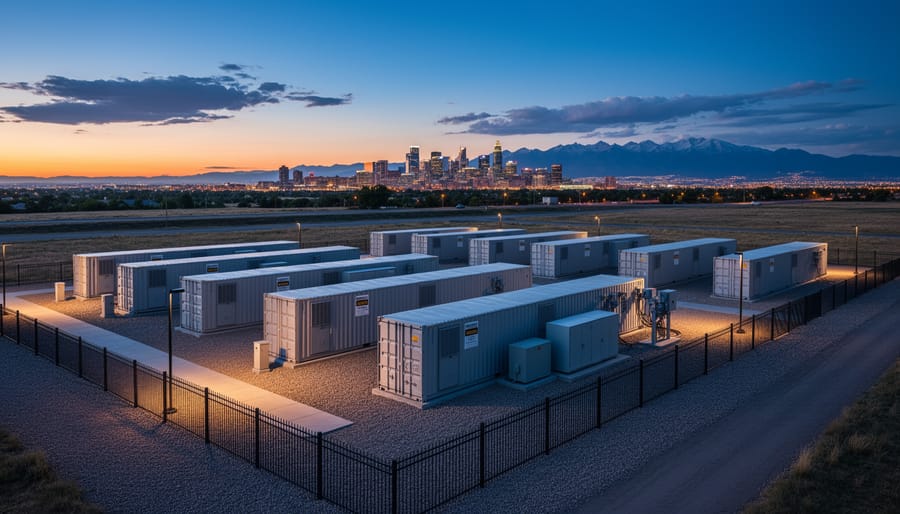
Until recently, long duration energy storage sat on the periphery of Denver’s renewable energy conversation, a promising technology for someday, but not central to hitting the city’s 2030 deadline. That’s changed. LDES has moved from future possibility to present necessity as planners and sustainability professionals recognize a fundamental gap: Denver can’t reach 100% renewable electricity by 2030 without a way to store solar and wind power across days, not just hours.
The shift stems from practical math. The city’s goal commits to 100% of community-wide electricity use contributing to a renewable electric system by 2030, while the Energize Denver Building Performance Policy requires buildings to cut their normalized site energy use by 30% in the same timeframe. These twin targets expose a core challenge: renewable generation peaks when the sun shines and wind blows, but buildings need power around the clock and across seasonal variation.
Traditional lithium-ion batteries handle hour-to-hour balancing well but can’t bridge multi-day gaps when cloudy stretches or calm weather reduce renewable output. LDES technologies, flow batteries, compressed air, thermal storage, fill that void by storing energy for 10 hours to multiple days. City energy planners and commercial property managers now reference LDES in procurement discussions and compliance strategies, not as experimental add-ons but as baseline infrastructure for a renewable grid that actually works when Denver needs it.
Key Developments Shaping LDES in Denver
1. Building Performance Standards Create Storage Demand
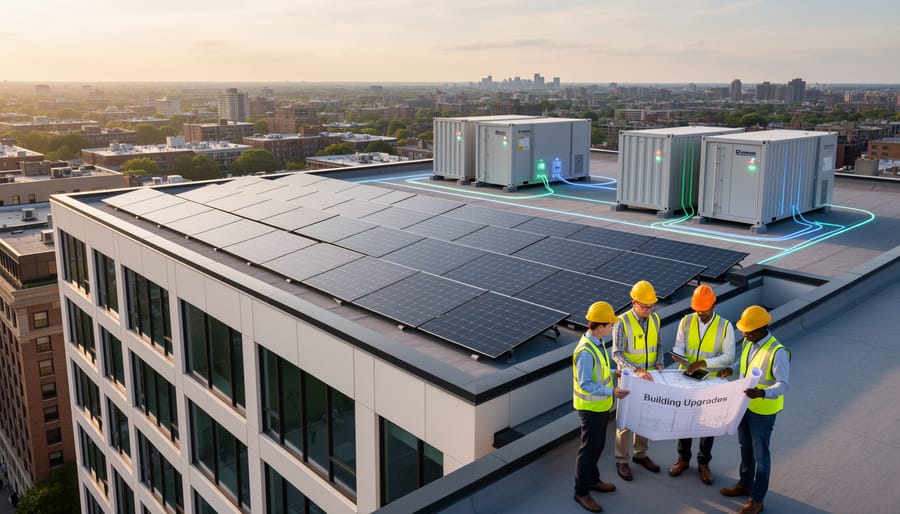
Denver’s push for 100% renewable electricity by 2030 hinges on more than solar panels and wind turbines. The city’s Energize Denver Building Performance Policy is quietly creating a structural driver for long duration energy storage by forcing building owners to confront a timing problem: renewable energy doesn’t arrive on demand.
The policy requires large buildings to cut 30% normalized site energy use by 2030. That target measures actual energy consumption, adjusted for factors like weather and operating hours, not just what’s generated on-site. Buildings can install rooftop solar, but that power vanishes after sunset while HVAC systems, lighting, and equipment keep running.
This mismatch is where LDES enters the picture. Property managers and facility operators looking at compliance strategies are realizing they need storage that holds charge for hours or days, not the minutes that traditional lithium-ion batteries offer. When solar production peaks mid-afternoon but a building’s highest demand hits at 7 a.m. and again at 6 p.m., multi-hour storage becomes the bridge.
The 2030 deadline isn’t abstract. Building owners facing penalties for non-compliance are evaluating flow batteries, thermal storage, and other LDES technologies that can shift renewable generation across time zones of the day. For office towers, hotels, and mixed-use developments in Denver, the question has shifted from whether storage makes sense to which type pencils out financially and operationally.
What started as an energy efficiency mandate is morphing into a storage procurement signal. As more building operators run the numbers, LDES is moving from pilot curiosity to compliance necessity.
2. Technology Maturation and Cost Declines
Several LDES technologies have crossed critical technical and economic thresholds over the past two years, positioning them as practical options for Denver’s renewable grid. Where once long duration storage meant pumped hydro in distant mountains, today’s maturing systems can deploy within city limits and hold energy for days rather than hours, a crucial difference when solar generation stops at sunset and wind patterns shift across seasons.
Cost declines have been dramatic. Flow battery systems, which store energy in liquid electrolytes, have seen installed costs drop by roughly 40% since 2024 as manufacturers scale production and streamline designs. Compressed air energy storage, which captures excess renewable power by compressing air into underground caverns or purpose-built vessels, has proven viable at smaller scales than previously thought possible. Even iron-air batteries, which essentially “breathe” to charge and discharge, are moving from lab concepts to commercial demonstration, offering multi-day storage at price points approaching lithium-ion.
These technologies share a fundamental advantage for Denver’s 2030 goal: they can discharge continuously for 10 to 100+ hours, smoothing out the multi-day weather patterns that affect solar and wind output along the Front Range. That duration makes them complementary rather than competitive with the shorter-burst batteries already supporting the grid.
The technologies becoming viable for Denver applications include:
- Flow batteries: liquid electrolyte systems scalable from building-level to utility-scale, with 8-12 hour discharge capability
- Compressed air energy storage: captures excess power by compressing air, releases it to drive turbines when needed
- Iron-air batteries: use oxidation and reduction of iron to store energy for multiple days at low material cost
- Thermal storage: holds energy as heat or cold in molten salts or other media, pairing well with building systems
What’s changed isn’t just the technology, but the business case. Falling costs, coupled with Denver’s aggressive building performance targets, mean facility managers and developers can now justify LDES investments that pencil out over 10-15 years, timelines that align with the 2030 renewable electricity goal and building compliance deadlines.
3. Community and Commercial Pilot Projects Emerge
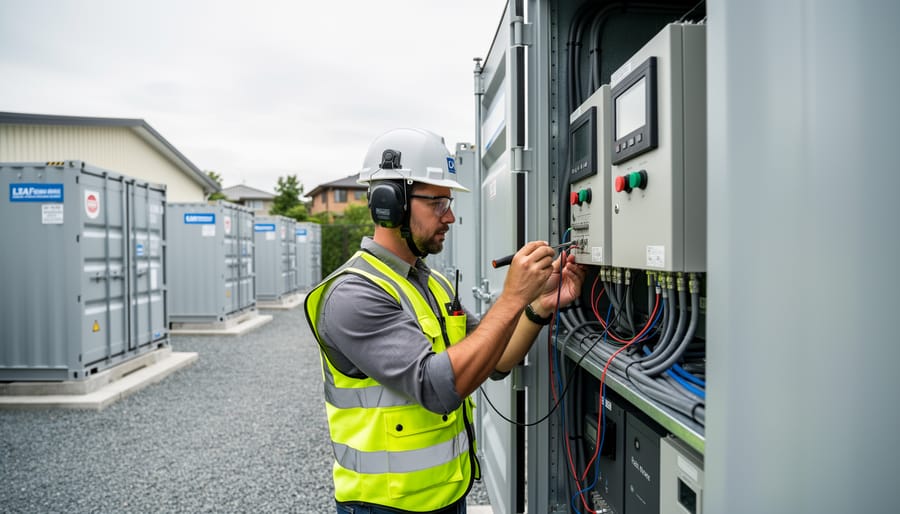
While Denver’s citywide 100% renewable electricity goal by 2030 sets the strategic direction, a growing number of local organizations are moving beyond planning to hands-on experimentation with LDES solutions. Early adopters across the metro area, from office complexes testing battery systems to community centers exploring thermal storage, are laying the groundwork for broader deployment and proving that long duration storage can work in Colorado’s climate and market conditions.
Several commercial building owners facing the Energize Denver Building Performance Policy’s 30% energy reduction target by 2030 have identified LDES as a pathway to compliance. Rather than relying solely on efficiency retrofits, these facilities are piloting storage systems that capture excess solar generation during peak daytime hours and shift that renewable power to evening demand periods. The approach addresses both emissions targets and energy cost management, making the business case for storage more compelling than efficiency measures alone in some cases.
Community-scale projects are emerging too. Neighborhood associations and nonprofit facilities are partnering with green vendors to test smaller LDES installations that demonstrate the technology’s potential for resilience and renewable integration. These grassroots initiatives often involve volunteer sustainability committees who champion the projects, secure funding through grants or green financing, and share lessons learned with neighboring communities. The collaborative model reflects Denver’s culture of climate action from the ground up.
Universities and research institutions in the metro area are also joining the effort, hosting demonstration projects that pair LDES with campus solar arrays. These installations serve dual purposes: meeting institutional sustainability commitments while generating real-world performance data that vendors and policymakers can use to refine future deployments across Denver’s diverse building stock.
Why LDES Matters for Denver’s 2030 Renewable Electricity Goal
Denver’s 100% renewable electricity goal can’t work without solving a fundamental puzzle: the sun doesn’t shine at night, and the wind doesn’t blow on schedule. LDES bridges that gap by storing excess renewable energy generated during peak production hours and releasing it when demand spikes or generation drops. Without multi-day storage capacity, the city would need to maintain fossil fuel backup plants to keep the lights on during cloudy weeks or calm stretches, undermining the whole renewable commitment.
Think about what this means for how LDES will power your business and power your community by 2030. A hotel running on 100% renewables can’t function if the grid goes dark every evening. A manufacturing facility can’t meet production schedules if renewable supply is intermittent. LDES turns variable renewable generation into reliable, dispatchable power, the kind businesses and neighborhoods can actually depend on.
The 30% emissions reduction target under Energize Denver adds urgency. Buildings need consistent clean energy to hit compliance benchmarks, not just renewable energy that’s available when the weather cooperates. LDES makes it possible for the entire community to run on renewables around the clock, transforming Denver’s ambitious 2030 goal from an aspirational target into operational reality. Storage isn’t a nice-to-have technology for this transition, it’s the infrastructure that makes a fully renewable grid work in practice.
What to Watch: Next Steps for LDES in Denver
Denver’s storage transition opens multiple pathways for engagement over the next five years. Policy watchers should track city council proceedings and updates to building performance requirements, where incentives or mandates for LDES may emerge alongside 2030 energy planning refinements. Green vendors and sustainability-focused businesses can position themselves now by exploring partnerships with storage developers and staying informed about procurement opportunities as commercial and municipal facilities seek LDES solutions to meet compliance targets.
When will LDES become widely available for Denver buildings?
Pilot projects are underway now, with broader commercial deployment expected to accelerate between 2026 and 2028 as costs decline and vendors establish local supply chains. Availability will depend on project scale and specific building energy needs.
How can Denver organizations get involved in storage pilots?
Contact local sustainability offices, engage with green business networks, and connect with vendors showcasing LDES at Denver sustainability events. Many pilots seek community partners willing to host demonstration systems.
Will LDES incentives be part of the building performance policy?
While no specific incentives are confirmed yet, city officials recognize storage’s critical role in meeting the 30% energy reduction requirement. Advocacy for supportive policies can shape future program design.
Event planners coordinating sustainability conferences should consider featuring LDES demonstrations and inviting storage technology providers. Community volunteers can amplify awareness by sharing success stories from early adopters and advocating for equitable access to storage benefits across Denver neighborhoods. The transition happens faster when professionals, advocates, and organizations actively participate rather than wait for top-down mandates.
Denver’s journey toward 100% renewable electricity by 2030 isn’t just an ambitious target, it’s a blueprint for sustainable urban infrastructure that positions the city at the forefront of clean energy innovation. Long duration energy storage has moved from emerging technology to essential tool in this transition, offering practical solutions to the intermittency challenges that once seemed insurmountable.
The opportunities ahead are real and accessible. Sustainability professionals can shape procurement decisions that prioritize storage-integrated solutions. Green vendors can develop offerings that help clients meet the building performance standards driving storage demand. Volunteers and advocates can amplify the message that renewable energy with storage isn’t a compromise, it’s an upgrade to a more resilient grid.
Stay engaged as Denver builds this infrastructure. The decisions made in the coming years will determine whether the city’s renewable electricity goal becomes a lasting model or a missed opportunity. Your expertise, business, or voice matters in that outcome.