

A zero waste event in Denver comes down to one method: plan your waste stream before the event, then match every item you serve, sell, or hand out to a bin that has a real place to go. Most organizers can pull it off in four to eight weeks of prep, and the difficulty is moderate. The one prerequisite is a willingness to pick your vendors and venue early, because a compostable fork does no good if nobody is set up to collect it.
Here’s why the approach works. Denver has the local infrastructure, from commercial composting haulers to reuse networks and community recycling partners, that turns good intentions into diverted tons. What trips people up is mismatched pieces: the wrong cups, an unstaffed sorting station, a venue that can’t accept what you’ve planned. Fix those three things up front and the rest gets easier.
This guide walks you through the tools and local partners you’ll need, the safety and compliance checks worth making before doors open, the steps in order, and simple ways to confirm you hit your goal. You’ll also hear how a Denver volunteer team turned a first-time attempt into a repeatable model, and where to find vetted vendors and venues in the Green Denver directory.
What Zero Waste Really Means for Denver Events
Zero waste doesn’t mean producing no trash at all. In practice, it means keeping nearly everything out of the landfill, commonly understood as diverting around 90 percent or more of an event’s materials. The goal is to treat what we usually call “waste” as a resource.
Three terms do most of the work here. Recycling turns materials like clean cans, bottles, and paper into new products. Composting breaks down food scraps and certified compostable items into nutrient-rich soil. Reuse keeps items in circulation as they are, like washable plates, refillable water stations, and signage that serves more than one event. Reuse sits at the top of the list because the best waste is the kind that never gets created.
Events are a great place to begin. Waste is concentrated in one place and one window of time, it’s highly visible to guests, and organizers hold real influence over what comes through the door. You choose the caterer, the cups, and the layout of the bins.
That influence fits neatly with Denver’s sustainability goals and the city’s growing composting and recycling options. It also connects to the wider movement toward sustainable tourism where visitors and hosts share responsibility for a place. Greener gatherings also bring people together around a common purpose, and that sense of community often stays with guests long after the event ends.
Tools, Materials, and Local Partners You’ll Need Before You Start
Finding Green Vendors, Venues, and Hotels in Denver
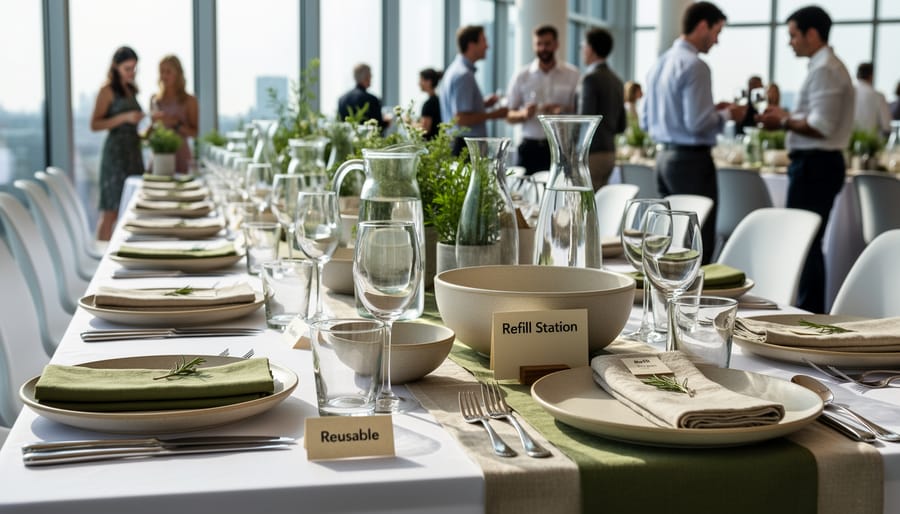
Start with a short list of the people and places that will make or break your waste plan: your venue, your caterer, your rental company, and any hotel hosting out-of-town guests. Green Denver’s directory of sustainable vendors, hotels, and event facilities is a handy place to build that list, because you can browse local businesses that already care about sustainability instead of cold-calling and hoping.
Once you have a few candidates, a short conversation will tell you almost everything. Here are the questions worth asking:
– Composting access: Does the venue have a compost hauler on contract, or will you need to arrange one? Where do the bins live, and who empties them?
– Reusable options: Can the caterer serve on real plates, or use reusable bins and pitchers instead of single-use packaging?
– Serviceware: If they use compostable items, which ones, and has their hauler confirmed those items are accepted locally?
– Sustainable procurement: Do they buy in bulk, source from nearby farms, or avoid individually wrapped items?
– Hotels: Do they offer recycling and composting in meeting spaces, and will they work with your signage?
Don’t worry if a vendor can’t say yes to everything. Many are glad to adjust when a planner asks clearly, and their answers help you pick partners who fit your goals.
Safety Warnings and Common Pitfalls to Avoid
A few quick checks up front will save you stress on event day. Think of these as friendly “check this first” moments rather than roadblocks.
Start with your serviceware. A cup or fork labeled “compostable” isn’t automatically accepted by every hauler or facility. Some programs take certified items only, and others skip lined paper or bioplastic cutlery entirely. Ask your hauler for their accepted-materials list before you order anything.
Food safety deserves the same care. If you plan to reuse or donate leftovers, follow safe handling rules: keep hot food hot and cold food cold, and use only food that hasn’t been sitting out. A donation partner can tell you exactly what they can take and how it needs to be packaged. When in doubt, compost it rather than risk anyone’s health.
Contamination is the other common snag. One greasy pizza box or plastic bag in the compost can spoil a whole load. Clear, photo-based signage and a friendly volunteer at each station make a big difference.
Finally, talk to your venue early. Some have rules about bin placement, hauling access, or outside vendors, and a few may require permits for changes to their waste setup. A quick conversation before you finalize plans keeps everyone on the same page.
Step-by-Step Process for Planning Your Zero-Waste Event
Designing Sorting Stations That Guests Actually Use
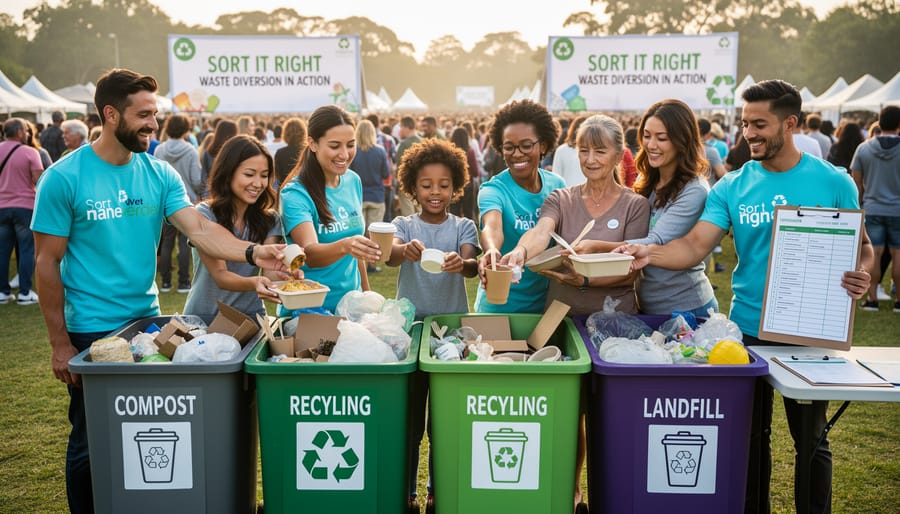
Place sorting stations where guests already pause: near food service, beside exits, and close to the spots where people finish eating. A lone bin tucked in a corner gets ignored, so put compost, recycling, and landfill together in one clear cluster. If guests have to hunt for the right bin, they’ll just toss things in the nearest one.
Color coding does a lot of quiet work. Use the same colors on every bin, lid, and sign, and keep the pattern consistent across the whole venue. Photos beat words here. A picture of the actual cup, napkin, or plate your caterer serves lets a guest match what’s in their hand to the right bin in a second. Print the images large and mount them at eye level, right above the opening.
Keep the choices to a few. Three bins is plenty, and fewer decisions means fewer mistakes. When your menu leans on local ingredients, like the dishes that come from farm-to-table sourcing food scraps make up most of what guests discard, so make the compost bin the easiest one to reach.
Finally, pair each station with a friendly volunteer. A smile and a quick “I can help you with that!” works better than any lecture, and guests learn the routine without feeling watched.

Volunteer Spotlight: How Denver Volunteers Make Zero-Waste Events Work
Station hosts are the quiet heroes of a zero-waste event. A host stands beside the compost, recycling, and landfill bins, greets guests with a smile, and helps them decide where that napkin or cup belongs. It is a simple role, and it changes how a gathering feels.
Because we can’t quote a specific volunteer here, picture a typical scene at a Denver festival. A first-time volunteer shows up a little nervous, grabs a bright apron, and takes a shift at the sorting station. Within the hour, they’re holding up a compostable cup, pointing to the photo on the sign, and saying, “This one goes right here.” Guests thank them. Kids race over to try it themselves. By the end of the day, that same volunteer is chatting with the event crew about how to improve the setup next time.
That friendly nudge is what lifts diversion rates. Guests sort more accurately when a real person is there, and nobody feels lectured. Hosts also catch contamination early, so the compost stays clean enough for the hauler to accept.
Ready to join in? Browse volunteer opportunities through Green Denver and look for upcoming events that need station hosts. It’s a welcoming way to meet neighbors, learn hands-on, and support the growing Denver green economy.
Verifying Your Results and Planning Your Next Steps
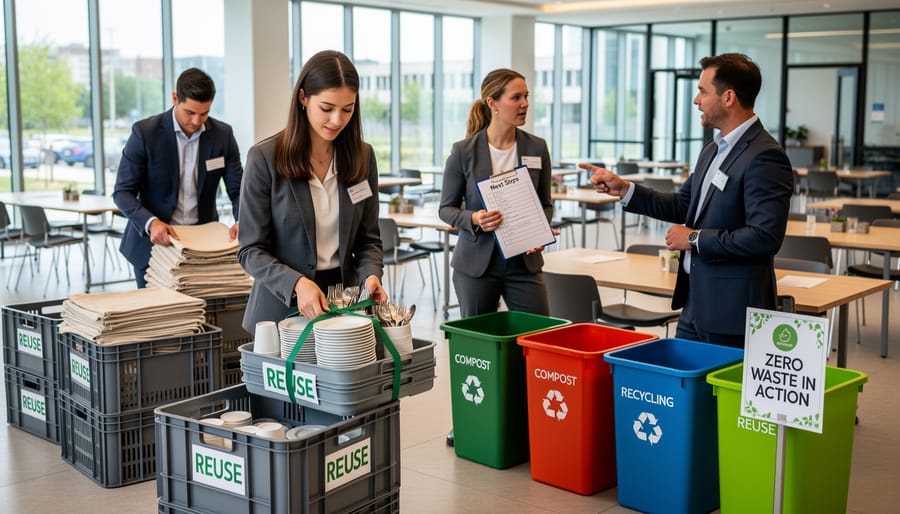
Once the last bin is hauled away, the real learning begins. Verifying your results turns a good event into a repeatable one, and it doesn’t require fancy software.
Start by requesting weight reports from your compost hauler, recycling provider, and landfill service. Ask for totals by material, ideally in pounds, so you can compare apples to apples. If a hauler doesn’t weigh loads, a simple bathroom scale and a few labeled bins during teardown can give you a solid estimate.
Next, calculate your diversion rate. Add up everything composted, recycled, and reused, then divide by your total waste (diverted plus landfilled). Say you diverted 420 pounds and sent 45 pounds to landfill. That’s 420 divided by 465, or about 90 percent. Add context when you share it: guest count, event length, and whether food was served all shape the numbers, so a first-time 60 percent is a real win worth celebrating.
Then gather the human side of the story:
– Ask volunteers which stations were confusing or busy.
– Send attendees a two-question survey about signage and serviceware.
– Note which vendors made sorting easy and which created extra trash.
Share your results with sponsors, venue staff, vendors, and volunteers in a short summary with your diversion rate, a few photos, and one or two quotes from the feedback you collected. Thank the people who made it happen by name, since recognition keeps volunteers coming back.
Finally, write down three lessons for next time, such as moving a station closer to the food line or swapping a problem item. Green Denver’s sustainability resources can help you track goals across events and find partners who can help you improve.
Zero-Waste Event Planning in Denver: Frequently Asked Questions
Planners tend to ask the same handful of things, so here are friendly, practical answers to get you moving.
How much does a zero-waste event cost?
It varies with your event size and choices, but many planners find savings offset the extras. Reusable serviceware and fewer trash pickups can balance out compost hauling fees. Ask for quotes early so you can compare options.
Can a small gathering go zero waste?
Absolutely. Smaller events are often easier because you control the menu, serviceware, and guest list. A few clearly labeled bins and a friendly volunteer can go a long way.
What if an outside vendor resists?
Share your waste plan before you sign anything and offer simple swaps, like reusable or accepted compostable serviceware. If a vendor still isn’t on board, choose a partner whose practices already match your goals.
Where do I find compost hauling and reusable serviceware in Denver?
Start with Green Denver’s directory of sustainable vendors and venues, then confirm what each hauler accepts before you order.
If guests put the wrong items in a bin, don’t worry too much. Photo-based signage and a volunteer at each station catch most mistakes, and a quick check of the bins before pickup helps keep compost clean. Think of each event as practice, and let what you learn make the next one even smoother.
Zero-waste events aren’t some distant ideal. In Denver, they’re happening right now, thanks to planners willing to try one new thing and a community ready to help them succeed. You don’t need a perfect plan on day one. Pick a single step, whether that’s swapping disposables for reusable serviceware, setting up a clearly labeled sorting station, or choosing a caterer committed to local food sourcing and build from there. Each small choice adds up, and every event teaches you something for the next one.
Local partners make the work lighter. Browse Green Denver’s listings of green vendors, hotels, and event venues to find people who already know the ropes. And if you’d rather learn by doing, volunteer at an upcoming event and see how station hosts help guests sort with a smile. Start small, ask for help, and enjoy the satisfaction of a gathering that leaves Denver a little greener.