

Business sustainable practices transform operations through three core approaches: reducing resource consumption, sourcing responsibly, and designing for circularity. Companies in Denver are implementing energy-efficient systems, switching to renewable power, minimizing waste through composting and recycling programs, and partnering with local sustainable vendors to shrink their environmental footprint while often cutting costs.
The case for sustainability has moved beyond environmental ethics. Businesses adopting these practices report measurable benefits including lower utility bills, enhanced brand reputation, stronger employee recruitment and retention, and alignment with customer values. In Denver, where Denver’s climate leadership has created robust support infrastructure, companies find ready access to grants, technical assistance, and recognition programs that make the transition smoother.
What makes sustainable practices work in Denver’s business landscape is the combination of practical tools and community momentum. Local organizations can tap into the city’s green building incentives, connect with certified B Corporations for guidance, and join industry-specific sustainability networks. Whether you operate a tech startup, manage event spaces, or run a retail business, proven frameworks exist to measure your current impact and identify the highest-return improvements.
This guide walks through the essential sustainable practices available to Denver businesses, explains how local policy and resources support implementation, showcases real companies achieving results, and provides a clear roadmap to begin your sustainability journey. The goal is simple: give you the knowledge to make informed decisions that benefit both your bottom line and the community.
Core Sustainable Business Practices Denver Companies Are Implementing
Energy and Resource Management
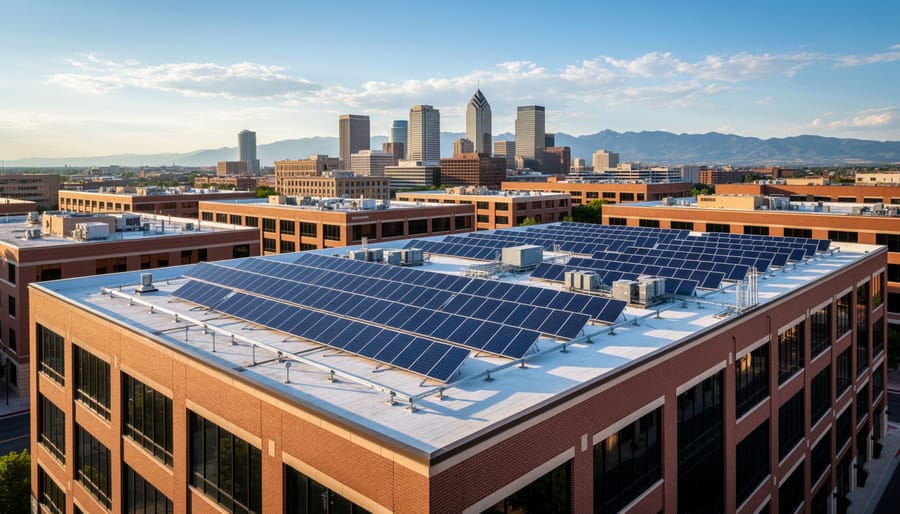
Denver businesses are cutting energy costs and carbon footprints by embracing renewable power and smarter resource management. Many companies have installed on-site solar panels or signed up for Xcel Energy’s Renewable*Connect program, which lets them purchase wind energy directly. With the city’s push toward renewable energy by 2030 commercial buildings are increasingly shifting to 100% clean electricity sources.
Energy efficiency starts with understanding current usage. Businesses across the metro area are conducting energy audits for businesses to identify waste and upgrade systems. Common improvements include LED lighting retrofits, programmable thermostats, high-efficiency HVAC systems, and building automation that adjusts energy use based on occupancy. Some companies have reduced utility bills by 20-30% after implementing audit recommendations.
Resource management extends beyond electricity. Denver businesses are installing low-flow fixtures, rainwater harvesting systems, and xeriscaping to reduce water consumption in our semi-arid climate. Smart building technologies track real-time energy and water use, helping facility managers spot inefficiencies quickly. Forward-thinking companies are also following energy storage updates to integrate battery systems that maximize renewable energy value and provide backup power during peak demand periods.

Sustainable Procurement and Supply Chains
Denver businesses are transforming their procurement strategies by making sustainability a core criterion in vendor selection and purchasing decisions. Rather than focusing solely on cost, companies now evaluate suppliers based on environmental certifications, carbon footprint, waste management practices, and alignment with circular economy principles.
Local sourcing has become a priority across industries. By partnering with Colorado-based vendors and manufacturers, businesses reduce transportation emissions while strengthening the regional economy. Denver’s robust network of sustainable suppliers, from recycled office products to locally produced food, makes this approach practical. Many companies now require vendors to disclose their sustainability metrics, including energy use, packaging materials, and end-of-life product management.
Leading organizations implement formal sustainable procurement policies that set clear standards. These typically include preferences for products with third-party certifications like Energy Star, Forest Stewardship Council (FSC), or Cradle to Cradle. Some businesses conduct supplier audits or require annual sustainability reports, creating accountability throughout the supply chain.
The shift extends beyond materials to services. Denver companies increasingly choose partners who demonstrate environmental responsibility in their operations, whether that’s janitorial services using green-certified cleaning products or technology providers offering equipment take-back programs.
This approach creates ripple effects. When large organizations demand sustainable options, it incentivizes smaller suppliers to improve their practices, elevating standards across entire industries. The result is a more resilient, environmentally conscious business ecosystem that positions Denver companies as sustainability leaders while building supplier relationships aligned with long-term environmental goals.
Denver’s Policy Framework Supporting Business Sustainability
Denver’s commitment to sustainable business practices isn’t just aspirational, it’s backed by robust policy frameworks and concrete support systems. The city’s 80×50 Climate Action Plan sets an ambitious target to reduce greenhouse gas emissions by 80% by 2050, with interim benchmarks that businesses are actively working toward. This plan, combined with Denver’s participation in regional sustainability initiatives, creates clear expectations and opportunities for companies ready to embrace greener operations.
The city offers several pathways for businesses to get started. The Green Business Recognition Program provides free certification for companies that meet sustainability benchmarks across energy use, waste reduction, water conservation, and transportation. Businesses earn bronze, silver, or gold designations based on their achievements, with recognition on the city’s website and marketing support to promote their environmental leadership. Program participants gain access to technical assistance, networking events, and educational workshops that demystify everything from energy audits to sustainable procurement.
Financial incentives sweeten the deal considerably. The city partners with Xcel Energy and local utilities to offer rebates for energy-efficient equipment upgrades, solar installations, and building retrofits. Businesses can access grants through the Denver Office of Climate Action, Sustainability, and Resiliency for projects ranging from waste diversion programs to employee commute alternatives. Property tax incentives reward companies that achieve LEED certification or meet other green building standards.
Denver’s regulatory environment also nudges businesses toward sustainability without being punitive. The city’s energy benchmarking requirements for commercial buildings create transparency around energy performance, while building codes increasingly favor renewable energy integration and efficient design. These policies work in concert with the broader community energy shift toward clean power sources, making it easier and more cost-effective for businesses to participate.
Green Meetings and Event Sustainability
Denver’s meetings and events industry has embraced sustainability as a core operating principle, with venues, planners, and vendors collaborating to reduce environmental impact while delivering exceptional experiences. The city’s convention facilities and hotels have implemented comprehensive green programs that go far beyond basic recycling, creating a blueprint other cities now study.
Venue selection sets the foundation. LEED-certified facilities like the Colorado Convention Center and numerous downtown hotels offer event spaces designed for energy efficiency, water conservation, and waste diversion. Many venues now provide detailed sustainability reports showing energy use per attendee, waste diversion rates, and carbon footprint data. Planners can request these metrics during the RFP process, making environmental performance a deciding factor alongside traditional criteria like capacity and location.
| Practice Area | Implementation Approach | Measurable Impact |
|---|---|---|
| Venue Operations | LEED-certified spaces, renewable energy, smart lighting and HVAC systems | 30-50% reduction in energy use per event |
| Catering | Plant-forward menus, local food sourcing composting programs | 60-80% diversion of food waste from landfills |
| Materials | Digital signage, reusable name badges, eco-friendly swag, no single-use plastics | 75% reduction in printed materials and disposables |
| Transportation | Bike valet services, EV charging, public transit partnerships, carbon offset programs | 20-40% decrease in attendee transportation emissions |
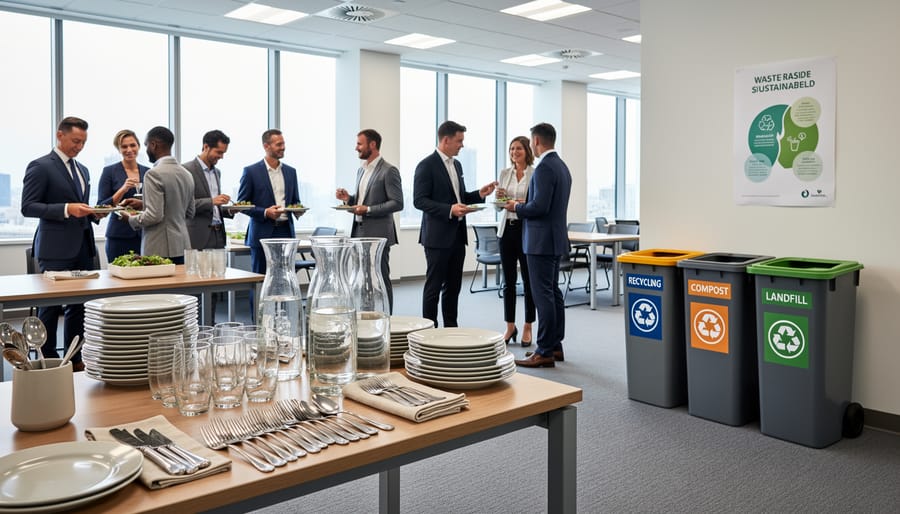
Catering represents the most visible sustainability opportunity. Denver caterers and hotel food service teams now default to plant-forward menus that reduce carbon footprint while highlighting Colorado’s agricultural bounty. Compost collection at events has become standard, with some venues achieving 80% waste diversion rates by separating organics, recyclables, and true trash through clearly marked stations staffed by sustainability ambassadors who guide attendees.
Event materials have undergone a digital transformation. Savvy planners replace printed programs with mobile apps, swap disposable name badges for reusable ones, and eliminate swag bags in favor of digital gift cards to local sustainable businesses. When physical materials are necessary, vendors offer recycled paper products, plantable seed paper, and items made from reclaimed materials.
Transportation options round out the sustainability picture. Denver’s walkable downtown means many attendees can skip car rentals entirely. Venues partner with bike share programs to offer complimentary rides, install EV charging stations, and coordinate with RTD to provide discounted transit passes. For unavoidable travel emissions, carbon offset programs let event organizers invest in local renewable energy or urban forestry projects, keeping the environmental benefit within the community.
Success Stories: Denver Businesses Making a Difference
Denver’s business community isn’t just talking about sustainability, local companies are putting practices into action and achieving measurable results. These success stories demonstrate what’s possible when commitment meets creativity.
The Crawford Hotel at Union Station earned LEED Gold certification by integrating historic preservation with modern efficiency. The property diverted 95% of construction waste from landfills during renovation, sources 40% of ingredients from Colorado farms within 150 miles, and operates a comprehensive composting program that processes food waste on-site. General Manager Sarah Mitchell notes the hotel now saves $38,000 annually on utility costs while attracting guests specifically seeking sustainable accommodations.
Ball Arena (formerly Pepsi Center) transformed its events operation through a zero-waste initiative launched in 2023. The venue now diverts 85% of waste from landfills across all events, composting food waste and recycling materials that once filled dumpsters. During Nuggets games, volunteers sort waste at every station, educating thousands of attendees about proper disposal. The arena’s rooftop solar array generates 210 kW of electricity, offsetting energy use during daytime events.
New Belgium Brewing exemplifies circular economy principles at its Denver facility. The brewery captures CO2 from fermentation for reuse in carbonation, sends spent grain to local cattle ranchers as feed, and operates an on-site wastewater treatment plant that achieves 99% purity. Employee volunteers lead brewery tours focused on sustainability education, hosting 6,000 visitors annually. The company’s Fat Tire brand became the first certified carbon-neutral beer in America.
For meetings and events, The Curtis hotel converted its 13th floor into a dedicated “Green Meetings” space with motion-sensor lighting, low-flow fixtures, and furniture made from reclaimed materials. Meeting planners can choose sustainable catering options featuring zero-waste service ware and locally sourced menus. The hotel partners with bike-share programs to offer attendees emissions-free transportation and donates leftover meeting materials to local schools.
Smaller businesses make significant impacts too. Nooch Vegan Market operates as Denver’s first zero-waste grocery, where customers bring containers or use compostable packaging. The store works with 30 Colorado producers to minimize transportation emissions. Owner Marcus Johnson organizes monthly volunteer cleanups along the South Platte River, mobilizing customers to remove trash while building community around environmental stewardship.
Common Table Restaurants committed to sourcing 100% of produce from Colorado farms during growing season, directly supporting sustainable agriculture. The restaurant group eliminated single-use plastics, composts all organic waste through Denver’s composting program, and trains staff on sustainability practices who then volunteer at partner urban farms on off-days.
These examples prove sustainable practices create competitive advantages while strengthening Denver’s green economy and community fabric.
How to Get Started: Practical Steps for Denver Businesses
Starting your sustainability journey doesn’t require overhauling your entire operation overnight. Denver businesses have multiple entry points and support systems to make the transition manageable and effective.
Begin by understanding where you stand. A sustainability audit reveals your current environmental footprint, from energy consumption and waste generation to supply chain impacts and employee commuting patterns. Denver’s Office of Climate Action, Sustainability & Resiliency offers free consultation sessions to help businesses identify priority areas. Many companies discover quick wins during this phase, like switching to LED lighting or eliminating single-use plastics in break rooms.
Once you know your baseline, follow this proven roadmap:
- Conduct a comprehensive sustainability audit to measure current energy use, waste output, water consumption, and supply chain practices
- Set specific, measurable goals with timelines, such as reducing energy consumption by 25% within two years or achieving zero waste to landfill by 2027
- Engage stakeholders across your organization, from leadership to frontline staff, creating a sustainability committee or appointing green champions in each department
- Partner with certified green vendors through Denver’s Green Business Network and Colorado Environmental Leadership Program directories
- Pursue relevant certifications like LEED for buildings, B Corp status, or Denver’s Green Business Recognition Program based on your industry and goals
- Monitor progress through regular metrics tracking and publish annual sustainability reports to maintain accountability and celebrate achievements
Employee engagement amplifies your impact. Launch volunteer programs through organizations like Groundwork Denver or The Greenway Foundation. Create green teams that propose and implement initiatives. Incentivize sustainable commuting through RTD EcoPass programs or bike-to-work benefits.
Track what matters. Establish key performance indicators for energy use, waste diversion rates, carbon emissions, and sustainable procurement percentages. Denver businesses using platforms like Measurabl or Brightest report better results when they measure monthly rather than annually. Share progress transparently with staff and stakeholders. Recognition matters too. Apply for awards through the Denver Metro Chamber of Commerce sustainability awards or Sustainable Brands’ local chapter.
The investment pays off. Denver companies report that sustainability initiatives often reduce operational costs while attracting environmentally conscious customers and top talent who prioritize working for values-aligned organizations.
Common Questions About Sustainable Business Practices in Denver
Starting a sustainability journey raises practical questions, especially around costs, resources, and measuring success. Denver’s business community has developed clear answers and proven pathways based on years of collective experience.
What sustainability certifications are available for Denver businesses?
Denver businesses can pursue LEED certification for buildings, B Corp certification for comprehensive social and environmental performance, and the city’s own Certifiably Green Denver program designed specifically for local businesses. Industry-specific certifications like Green Seal or Green Key for hotels are also widely recognized.
How much does implementing sustainable practices typically cost?
Initial investments vary widely, from zero-cost changes like switching to electronic documents to significant capital investments in renewable energy systems. Many businesses find that energy efficiency upgrades pay for themselves within two to four years through reduced utility costs, while Denver’s sustainability grants and tax incentives can offset 15-40% of implementation costs.
Where can I find green vendors and sustainable suppliers in Denver?
The Denver Green Business Network maintains a directory of certified sustainable vendors across all sectors. Visit Denver’s Green Meetings page also lists eco-friendly venues, caterers, and event suppliers specifically vetted for sustainability practices.
How do I measure the return on investment for sustainability initiatives?
Track direct cost savings from reduced energy, water, and waste expenses, then factor in employee retention improvements, enhanced brand reputation, and increased customer loyalty. Denver’s Office of Climate Action provides free assessment tools that help businesses calculate both financial and environmental ROI using standardized metrics.
Beyond these fundamentals, engaging employees makes the biggest difference in sustainability success. Companies that create green teams, offer volunteer days for environmental projects, and recognize employee sustainability contributions see much higher adoption rates and more innovative solutions. Denver’s sustainability community welcomes businesses at any stage, offering mentorship programs that pair newcomers with experienced sustainable companies for guidance and support.
Denver’s thriving green economy demonstrates what’s possible when businesses, policymakers, and community members unite around sustainability. The companies featured here aren’t outliers, they’re part of a growing movement transforming how Denver does business. From renewable energy transitions to zero-waste events, local organizations prove that sustainable practices deliver both environmental impact and business value.
You don’t need to overhaul everything overnight. Start with one practice that aligns with your operations, whether that’s switching to renewable energy, partnering with green vendors, or reducing event waste. Denver offers extensive support through certification programs, technical assistance, and a network of experienced sustainability professionals ready to help.
The real power of sustainable business practices lies in collective action. When more Denver companies adopt these strategies, the entire supply chain strengthens, costs decrease, and environmental benefits multiply. Your participation matters, not just for your bottom line, but for the community’s shared commitment to a healthier, more resilient economy.
Ready to contribute? Connect with Denver’s sustainability network, explore volunteer opportunities with local environmental organizations, and share your green initiatives. Together, Denver businesses continue setting the standard for how commerce and environmental stewardship work hand in hand.